Security for UK sites and premises
Security Guard Services for Businesses: What to Expect
7 November 2026
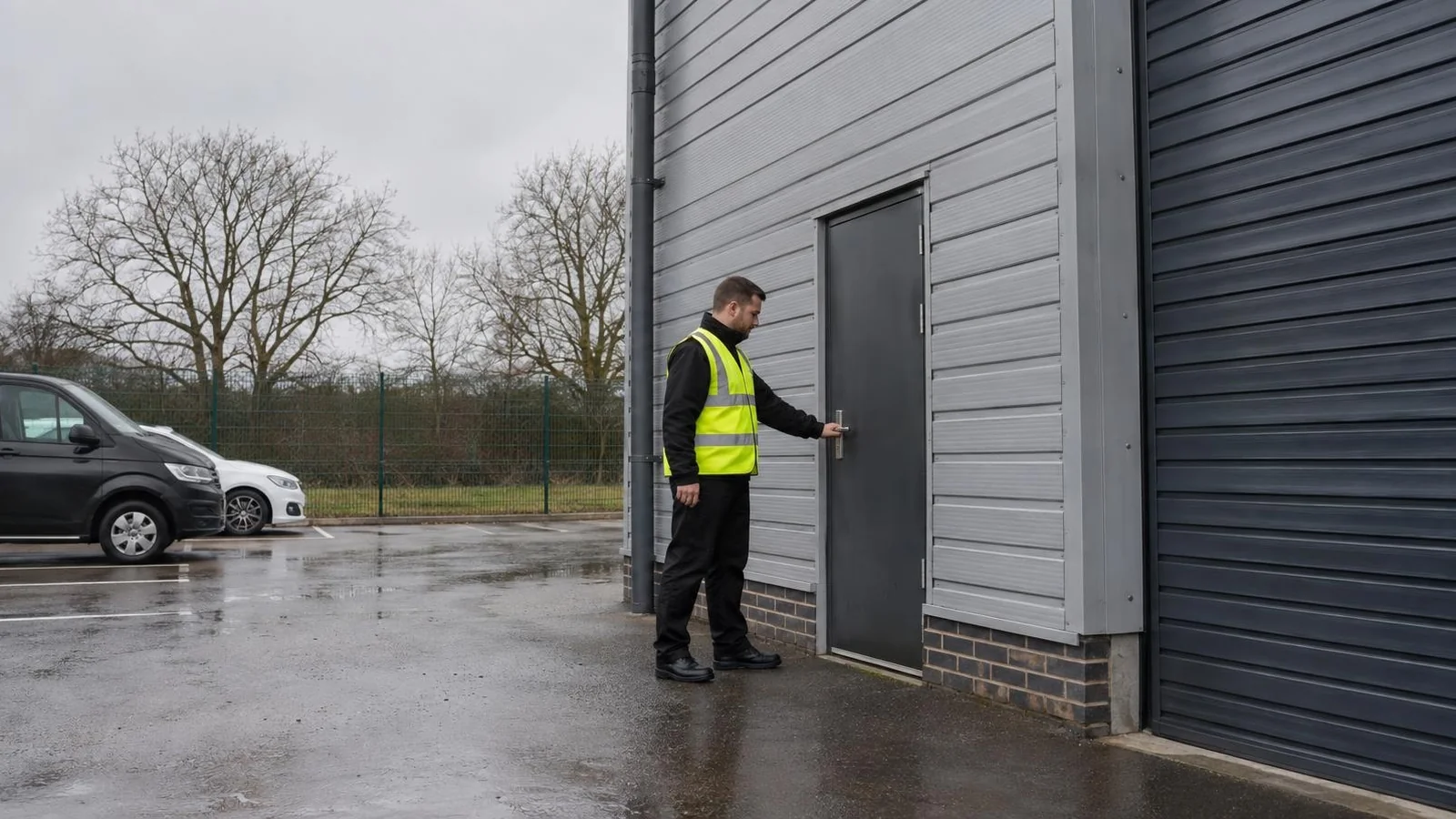
If you're buying security guard services for businesses, what to expect is a licensed officer on your site, a clear list of duties and regular reports on what's happened. Whether your site is in Birmingham, Edinburgh or Bristol, knowing what good looks like makes it far easier to compare suppliers before you sign.
Quick answer: Security guard services for businesses in the UK usually provide SIA-licensed officers for patrols, access control, incident response and reporting. Expect the duties, hours and costs to be set out in writing, and check each officer's licence yourself.
Key Takeaways
Guards supplied under a contract must hold an SIA security guard licence.
Your contract, not the law, sets most of the day-to-day duties and service levels.
Licences need a recognised qualification, and renewals now need refresher training.
The cost depends on your hours, site and risks, so ask for an itemised quote.
The SIA's Approved Contractor Scheme is voluntary, but it's a useful check.
Security guard services for businesses: what to expect day to day
A guard is usually there to watch entrances, patrol the site, check for anything suspicious and apply your access rules. That can mean greeting visitors, checking passes, keeping a visitor log, responding to alarms and calling the police or fire service when needed. The exact mix depends on your site.
Guards may also use your CCTV. A security guard licence covers using cameras to guard against unauthorised access, damage or theft, but using them against disorder or to protect people from assault needs a public space surveillance licence. Our guide to the rules on business CCTV covers your own duties as the system's owner.
Service levels and communication
A good supplier will want to walk the site before quoting, then give you a written plan covering patrols, shift handovers and who gets called for what. Agree how often you'll get reports and what they'll show. Our security buyer’s checklist covers what to get in writing.

UK standards, regulations and training
SIA licensing
The Security Industry Authority (SIA) regulates the industry under the Private Security Industry Act 2001. A guard working under a contract for services needs a licence, and the SIA checks identity, criminal record, right to work and qualifications first. Its page on who needs an SIA licence (GOV.UK) sets out the detail.
Most front line licences are photocards that the officer must wear while working, unless the job is covert. Ask to see each one, and look it up on the SIA's public register of licence holders. Your supplier should be happy to give you the details before an officer starts.
What training guards need
Before applying, a guard must get a licence-linked qualification through an approved training provider, and they must hold a first aid qualification before they can take that course. The SIA doesn't run the courses itself. Since 1 April 2025, guards renewing a licence have also needed refresher training covering searches, terror threat awareness and protecting people in vulnerable situations.
That's the minimum. Training on your own site and procedures is down to your supplier, so ask to see how they do it and how they keep records of it.
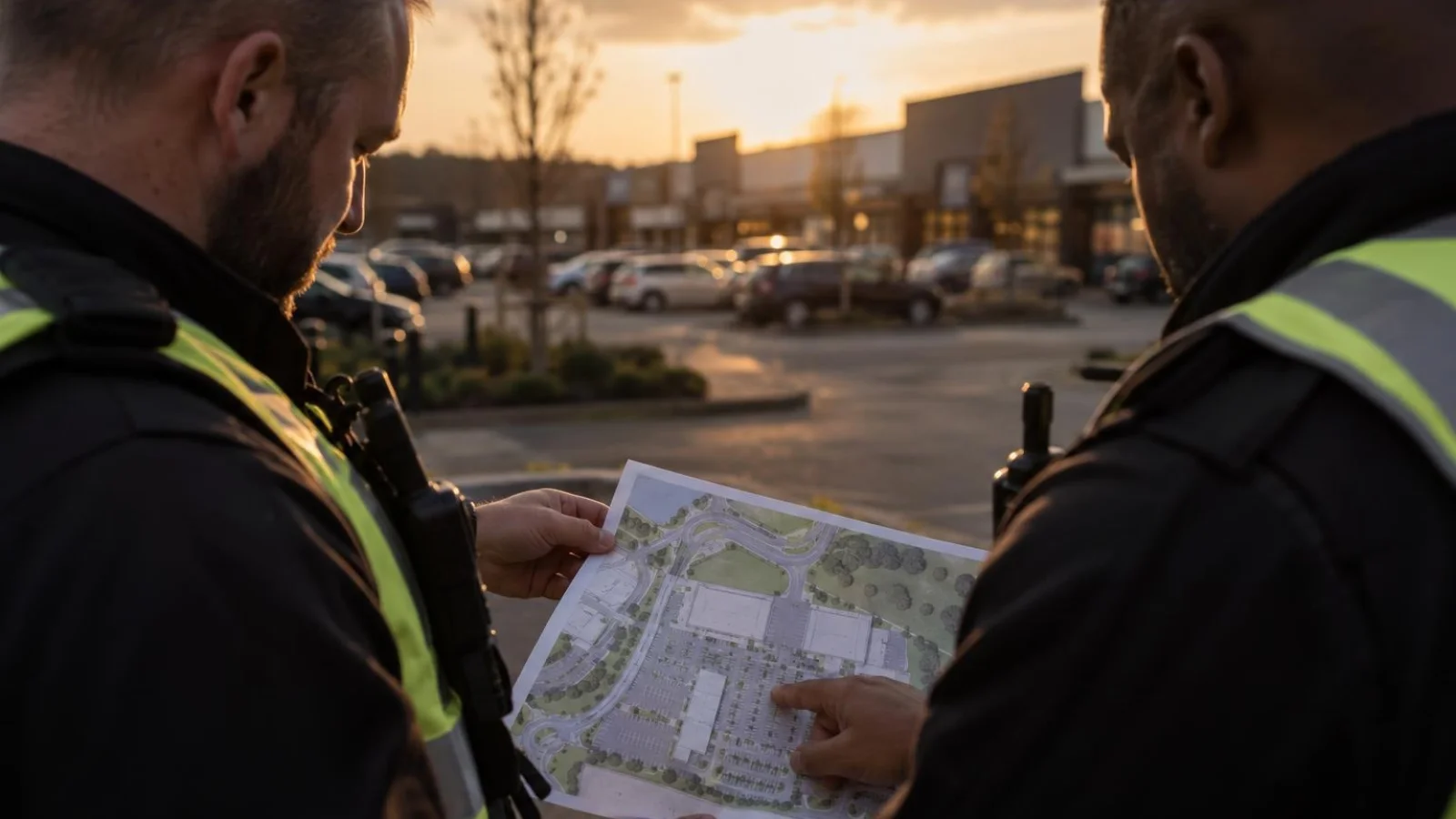
The real benefits of hiring security guards
Deterrence, response and peace of mind
A uniformed officer is a visible deterrent to theft, vandalism and trespass. They're also on the spot if something goes wrong, so they can raise the alarm, help people and keep things calm while the emergency services are on their way. That matters most on high-value or isolated sites.
The right officer for the site
Different sites need different people. A Cambridge tech campus may want discreet officers who are comfortable with access systems, while a Liverpool nightclub needs licensed door staff, which is a separate role. Our article on what a door supervisor does explains the difference, and a written incident report from either can help with an insurance claim.
How to choose a security service provider
Key selection criteria
Look for licensed staff, suitable insurance and references from similar sites. Ask whether the company is an SIA approved contractor for guarding, because approval is voluntary and given for specific activities. Our full guide on how to choose a security company takes you through each check.
Ask how the supplier would cope if you needed extra cover at short notice, and whether it would use sub-contractors. Approved contractors can usually only sub-contract to other approved contractors, unless the SIA has given them permission to do otherwise.
Common issues and how to handle them
The usual complaints are guards not turning up, poor communication and officers who don't know the site's instructions. Your contract should say what happens in each case and who you call. If problems carry on, raise them with the supplier's management in writing and refer back to the service levels you agreed.
Service feature |
What to expect |
Where it comes from |
|---|---|---|
SIA-licensed staff |
Every contract guard individually licensed |
Private Security Industry Act 2001 |
Site assessment |
A site walk and a written plan |
Good practice, so ask for it |
Incident and activity reports |
Logs at the frequency you agree |
Your contract |
Refresher training |
Needed to renew a licence since April 2025 |
SIA licensing rules |
Out-of-hours contact |
A named route for emergencies |
Your contract |
Cost of security guard services for businesses
What affects the rate
There's no official rate for security guards, so we don't quote one here. The price depends on your hours, nights and weekends, the number of officers, the skills needed, your location and the length of the contract. Extras such as CCTV monitoring or alarm response will be priced on top, so always ask for an itemised quote.
Getting good value
The cheapest quote isn't always the best value, so ask how it's made up and what it leaves out. Compare the same hours and duties across each supplier, then hold regular reviews so you can adjust the cover as your site changes. If you are looking into security services for businesses, Vistar Security in Trowbridge is one business to look at.
If you have a question, get in touch with our team.
Frequently Asked Questions
What are the minimum requirements for hiring security guards in the UK?
Guards supplied under a contract need an SIA security guard licence. Check each licence on the SIA's public register, and ask the supplier for proof of insurance and training records.
How do I know if a security provider is reputable?
Ask whether it's an SIA approved contractor for the service you need, take up references from similar sites and read the written proposal closely. Approval is voluntary, so it's a useful sign rather than a legal test.
What should I expect from a standard security contract?
Expect the hours, duties, reporting, costs, notice period and what happens if a shift goes uncovered to be set out in writing. If it isn't in the contract, don't assume it's included.
Do in-house security guards need an SIA licence?
Usually not. The SIA says you don't usually need a licence if you're employed directly by the company that uses your services, although door supervision at licensed premises is an exception.
What are the most common issues with security guard services?
Typical problems are no-shows, poor communication and officers who don't know the site. A clear contract, a named contact and regular reviews give you a way to deal with them early.
Before you ask for quotes, run through our buyer’s checklist for UK sites. It'll help you set clear expectations from the start, and you can check the official sources for yourself.